
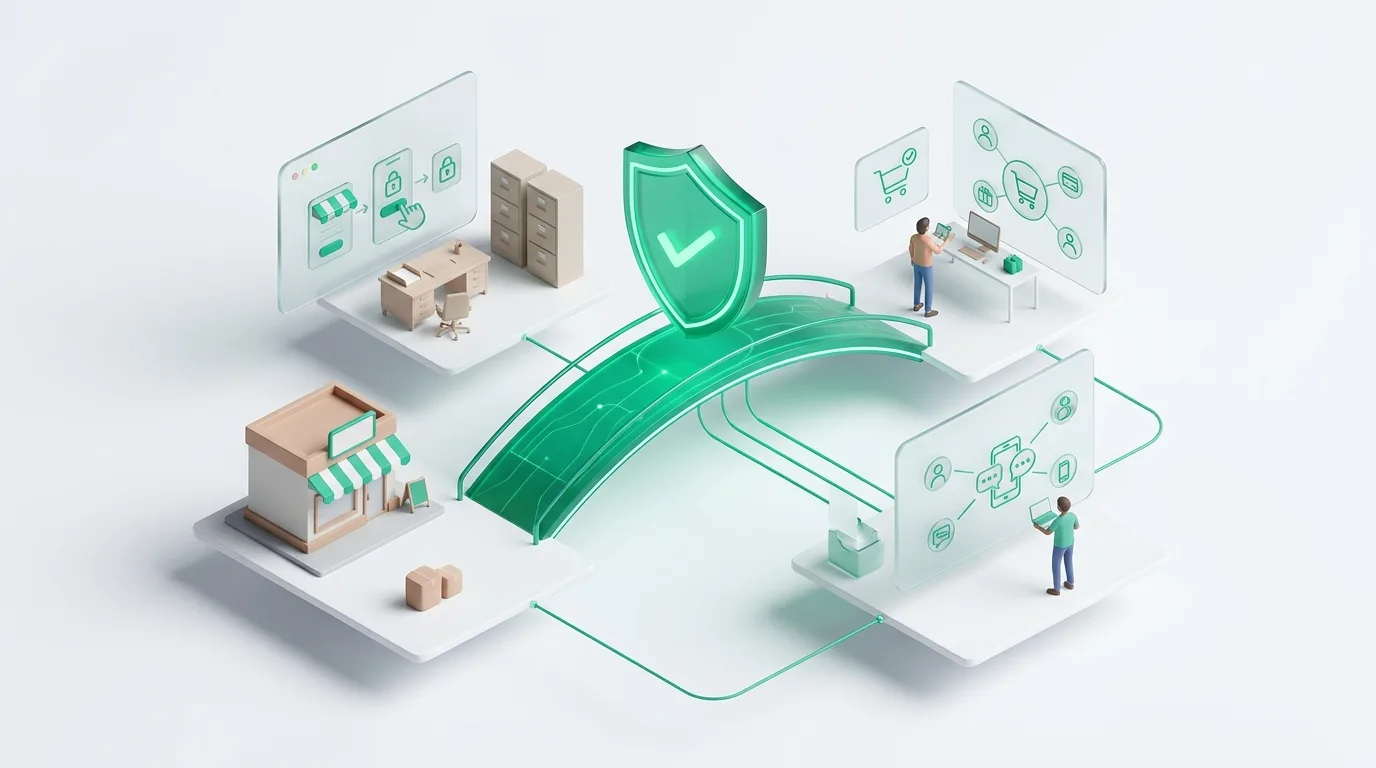
A historical analysis of events from the spring of 2020. The core takeaway remains unchanged: digital infrastructure, autonomous data control, and a functional sales funnel protect a business from external shocks. Learn more about our website development and business process automation services.
Since March 12, Latvia and the entire world have experienced events that most entrepreneurs of our generation had never seen before. The declaration of an emergency situation and gathering restrictions stripped many companies of their usual in-person customer flow overnight. However, a crisis is not a reason to stop: it is an uncompromising signal that digital infrastructure is no longer a luxury, but a guarantee of business survival and security.
Business digitalization during a crisis means immediately moving company services and product ordering online, ensuring clear communication with customers, and enabling contactless payments. Companies that do not wait for restrictions to end, but instead quickly implement simplified e-commerce modules, application forms, and targeted search advertising, maintain revenue and capture new market segments.
The First Shock and Behavioral Shift: Buyers Move Home
In the first days after restrictions were introduced, uncertainty reigned, but consumer data quickly showed a clear trend: people do not stop buying, they simply change where they buy and their habits. Groceries, household goods, home sports equipment, remote work gear, and renovation supplies saw a surge in orders, while parcel lockers and courier networks operated at maximum capacity.
At this moment, those who already have a functional e-commerce online store have a massive advantage. However, even for those who previously sold only from a physical store or office, the digital environment provides an opportunity to quickly create a simple order catalog and accept payments remotely.
The 4-Step Digital Matrix: How Businesses Must Act Immediately
To avoid getting lost in the flood of information, you need to act according to a clear, sequential plan, opening new online channels step by step:
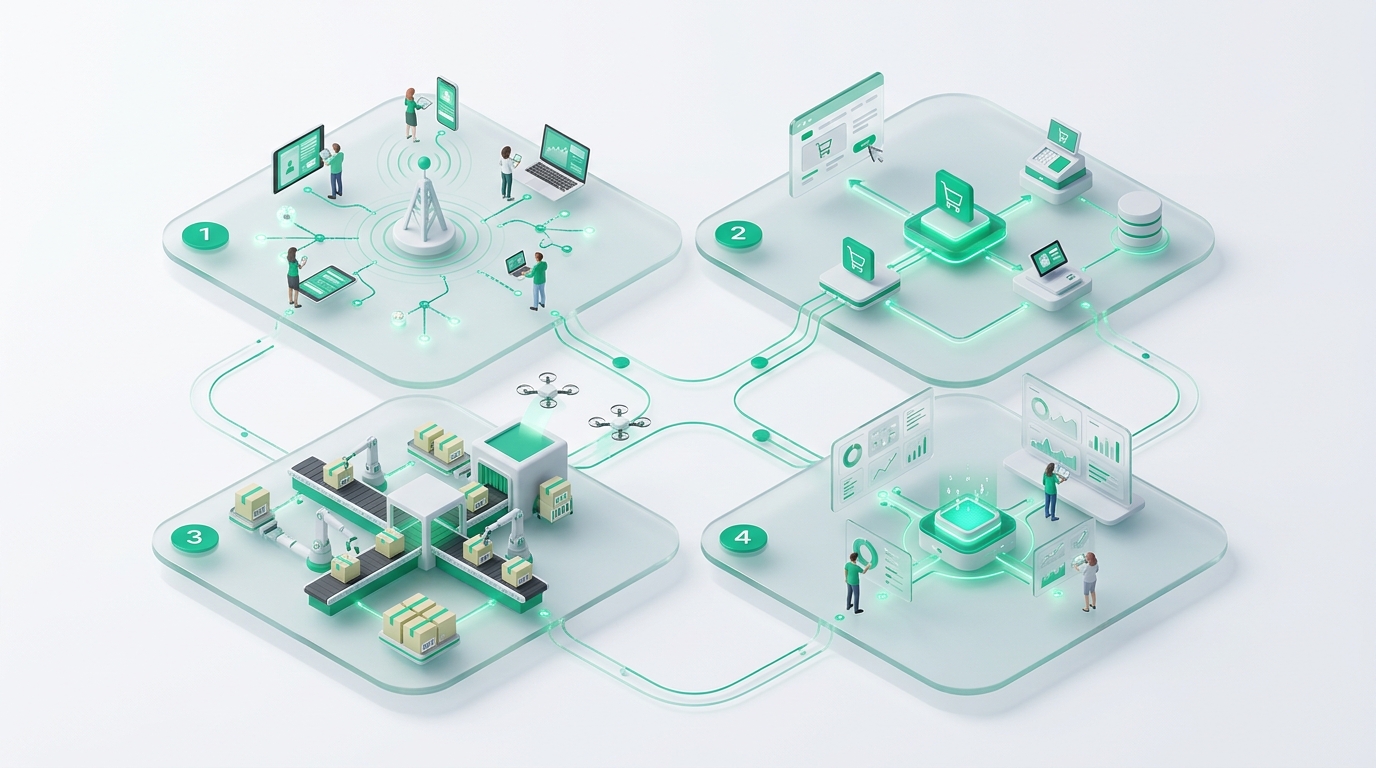
- Clear communication and business hours: The first thing people look for is: are you even open? Update information on your website homepage, social media, and Google Maps profile. Clearly explain how ordering and pickup work.
- Simplified digital catalog: If there is no time to build a full e-store, a simplified fast website development with an inquiry form, product list, and email/phone order processing is enough. Speed is key, not complex integrations.
- Logistics and contactless delivery: Connect your site with popular local delivery services (Omniva, DPD, local couriers) or organize safe curbside pickup.
- Targeted advertising and data control: Once your offer is ready, launch precisely targeted Google Search ads for queries where people are specifically looking for home delivery or remote solutions.
Comparison: The In-Person Model vs. Rapid Digital Transition
Here is how company actions and results differ when the physical world faces restrictions:
| Position | Wait-and-see In-Person Approach | Active Digital Adaptation |
|---|---|---|
| Customer Communication | Doors closed, note on the window | Active announcement on website and social media |
| Order Processing | Stops until the emergency ends | Application form, e-store, or WhatsApp orders |
| Payment | Only cash register on-site | Online bank links, email invoices, or payment cards |
| Advertising Budget | Fully stopped out of fear for tomorrow | Reoriented to specific demand keywords |
| Result at Crisis End | Lost customers and empty account | Gained new customers and new e-commerce revenue stream |
SEO and Long-Term Benefits: What to do while the market is scared?
While some competitors panic and cut all activities, the smartest entrepreneurs use the quieter period to finally organize their website's technical foundation and organic search strategy. SEO results are not immediate: they require a few months of work. By organizing your site's content, structure, and conversion analytics today, your company will be in the top positions the moment the market returns to a normal rhythm.
Expert Video: Business Adaptation and E-commerce
Frequently Asked Questions about Digital Adaptation in a Crisis
Is it worth completely stopping the marketing budget during a crisis?
A complete stop often leads to greater losses in the long term, as lost market and search positions are more expensive to regain later. The correct approach is to optimize channels, shifting the budget to direct demand and retention channels.
How quickly can a company launch basic online order acceptance?
Using modern platforms or a simplified order form on your existing website, basic functionality for accepting orders and invoices can be implemented within a few days.
How do I inform customers about changes in business hours and services?
The first step is to update information in your Google My Business profile (using "Temporarily closed" or adjusted hours), place a clear announcement on your website's main banner, and send a brief update to existing customers via email.
Ready to strengthen your business's digital resilience?
Let's discuss your company's digital processes, sales funnel, and automation opportunities in a 15-minute call.
Fixed budget. No hidden fees or forced services.