

Real-time internet search in LLM models has evolved into full-fledged search platforms (SearchGPT, Perplexity, Google Gemini Live). Today, the llms.txt standard and precise GEO content summaries on every page are crucial for brand visibility. Check out our full-cycle SEO & GEO solutions.
On September 27, 2023, OpenAI made a long-awaited announcement: the 'Browse with Bing' feature was officially reinstated for ChatGPT Plus users. This step overcomes the limitations we discussed in our initial analysis on conversations with ChatGPT and first steps in marketing, where the primary barrier was its Knowledge Cutoff, meaning the model knew nothing about events after September 2021. With the return of real-time web browsing, the artificial intelligence assistant becomes a fully capable partner, and smart AI chatbots and assistants in businesses are already taking over customer communications.
Key Takeaways
- Access to real-time information: After a multi-month hiatus, OpenAI has officially brought back the browsing feature with Bing integration, overcoming the historical knowledge cutoff limit.
- Direct links and source transparency: The model now provides answers with clickable references to original sources, significantly reducing hallucination risks and simplifying fact-checking.
- Compliance with the robots.txt protocol: ChatGPT's official search crawler now strictly respects website robots.txt directives and no longer visits pages that block data scraping.
- Workflow transformation: Real-time search allows for automated competitor price monitoring, industry news summaries, and the synthesis of the latest studies within seconds.
Why the Browsing Feature Was Suspended and What Has Changed
Originally introduced in the spring of 2023, the browsing beta version was urgently disabled in July. Users had discovered that clever prompts could trick the model into reading and displaying content behind paywalls, violating content owners' rights.
In the new version, OpenAI has implemented strict safety mechanisms: the model now fully respects website robots.txt directives and the ChatGPT-User user agent. If a publisher does not want their content scraped, the model ignores that page. Furthermore, every fact is accompanied by a clear link to the source, making answers verifiable.
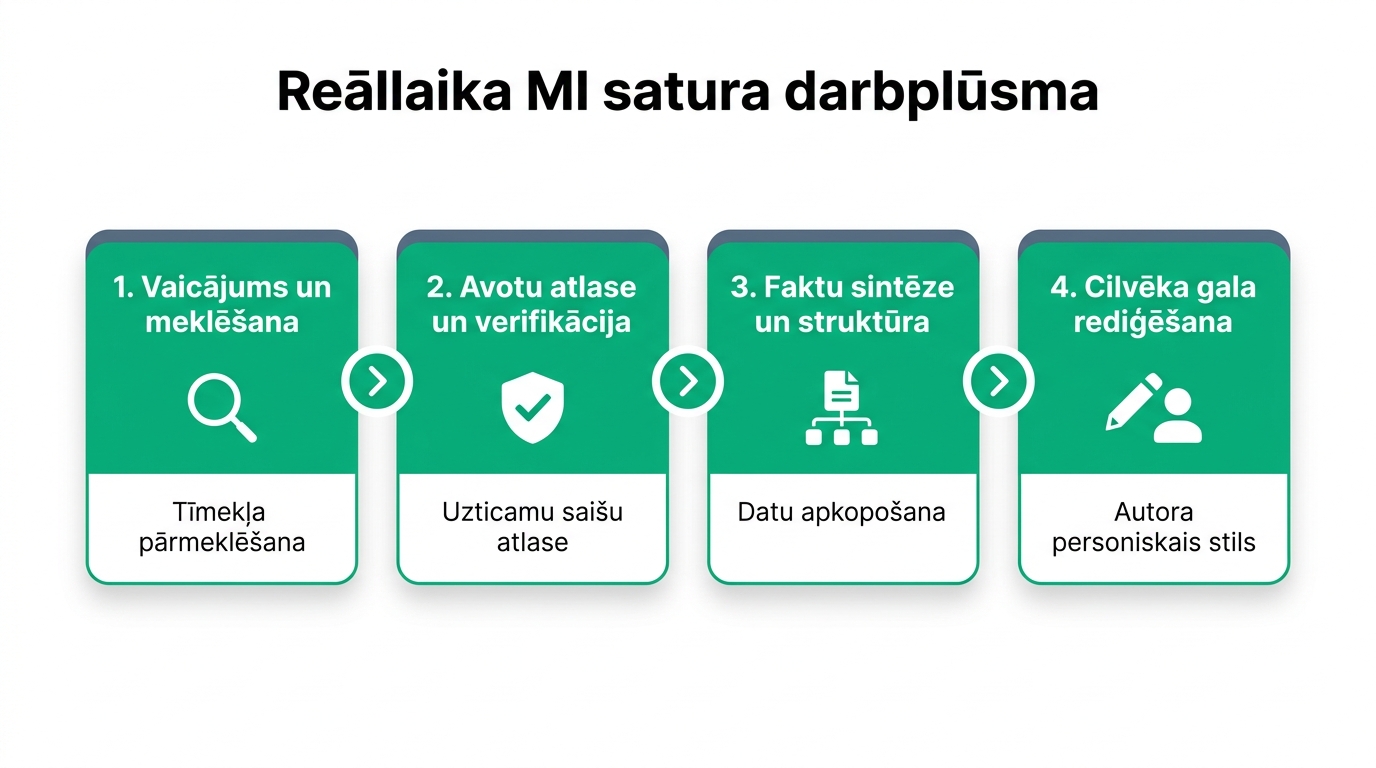
A Four-Step Workflow for Market and Content Research
To maximize the benefits of real-time web search in your daily work, use a structured approach:
1. Precise prompt with time and context indicators: Avoid generic questions. Instead, specify a concrete time period and the aspects you are looking for, such as: 'Find the latest Q3 2023 studies on e-commerce shopping cart abandonment reasons in Europe and cite your sources'.
2. Source selection and verification: Review the references provided by the model. Ensure that the source is a trusted industry media outlet or research institute rather than an unverified forum.
3. Fact synthesis and summary: Ask the model to structure the gathered information in a comparison table or key bullet points, highlighting trends and differences.
4. Author final editing and adaptation: Use the collected data as a foundation for your content, supplementing it with local market context and personal expertise.
Practical Applications for Businesses and Digital Professionals
Real-time web search unlocks new opportunities to boost everyday efficiency:
| Task | How to Accomplish It with Browse with Bing | Time Saved | Added Value |
|---|---|---|---|
| Competitor Analysis | Review competitors' latest promotions and pricing pages | From 2 hours to 5 minutes | Instant market overview |
| Industry News Monitoring | Identify key technology releases of the week | From 1 hour to 3 minutes | Always up-to-date content ensured by regular blog post creation |
| Statistics Verification | Find the latest official data and study figures | From 45 minutes to 2 minutes | Precise and citable data without guesswork |
| Review Aggregation | Summarize public reviews for a new product | From 1.5 hours to 4 minutes | Objective summary of user opinions |
How to Prepare Your Website for the ChatGPT Browsing Crawler
As search models become an increasingly vital information retrieval channel, businesses must start thinking about GEO (Generative Engine Optimization):
- Make sure your robots.txt file does not block ChatGPT-User and Bingbot access to public content.
- Build clear, fact-based content with reliable data and definitions that the AI model can easily cite.
- Use correct Schema.org structured markup so search crawlers precisely understand the essence of your content.
Frequently Asked Questions
Is Browse with Bing available to free ChatGPT users?
In September 2023, the feature was initially available exclusively to paid ChatGPT Plus and Enterprise subscribers, though plans are in place to gradually roll it out to all users later.
How reliable is the data that ChatGPT finds online?
Data reliability depends on the sources found. Since the model now adds links, the user can open the page with a single click and verify number accuracy.
Can ChatGPT make purchases or fill out forms on web pages?
No, the browsing feature operates in read-only mode and does not perform interactive actions like submitting forms or processing purchases.
Conclusions and Next Steps
Real-time search demonstrates why SEO and GEO optimization is becoming crucial for businesses to get cited in AI answers. The boundary between search engines and conversational bots is beginning to blur, setting new working standards in content creation, market research, and digital strategy.
Want your business to be discovered and cited by modern AI search engines?
Book a 15-minute strategy call. We will discuss your website's GEO optimization and llms.txt integration.
Fixed budget. No hidden extra fees or forced services.