
SEO, GEO & Content

SEO Course 1: How the Google Search Engine Works

Aigars Armanovs Aigars Armanovs
• 21.06.22. • 5 min read
Historical Editorial Note (SEO Course 1/6)

This is the 1st lesson from the MarketMeNow 6-part SEO course. Although search algorithms have been enhanced with AI and semantic models, the three core steps - crawling, indexing, and ranking - remain at the foundation of any search engine. Learn more about our SEO optimization services.

With this article, we launch our SEO course article series, where we will explain the essentials of SEO optimization in simple terms. The information mentioned in these articles will reflect both the core SEO principles of our digital marketing agency and teach you the most important aspects of SEO, even if you have never heard of it before. That is why the initial articles will certainly not be interesting for specialists who already possess a foundation of knowledge.

Key Takeaways

The Google search engine operates in three main stages: search bots discover website pages (crawling), store and process their content in a massive database (indexing), and sort the most relevant results based on hundreds of ranking factors at the moment of a user query. To gain visitors, a website must be freely accessible and technically understandable to the search engine from the very first stage.

Many marketing agencies offer SEO services. Although the term is no longer unfamiliar, many people still have no idea what it actually means. To understand this, let us start with the basics: understanding how the Google search engine works in the first place.

The Google Search Engine as Houses Connected by Roads

You can imagine it as a kind of network that connects most of the world's websites. There are small micro-environments - a single-room house (a single-page website), a house with multiple rooms (a website with several sections), and a multi-apartment building with multiple rooms in each. Houses are connected to each other by roads, and very few houses have no road leading to them. It is exactly the same with websites, except that instead of roads, there are links. Most websites are connected by links. The Google search engine is a tool to navigate to all these websites connected by links within the shared network.

Planning website foundations and structure before development
Analogy of the internet web and links to a city street network

The Google Index

Google stores all the websites it is aware of in its index. Being aware means that another website has announced the existence of that webpage via a link, or the website owner has directly notified Google of its existence. Each website index submission describes the content and location of that page (the URL address, which typically starts with "https://" or "www."). For websites to be indexed, Google learns about them, reads their content, and adds them to the index.

Google search index and database workflow diagram

Google Crawling

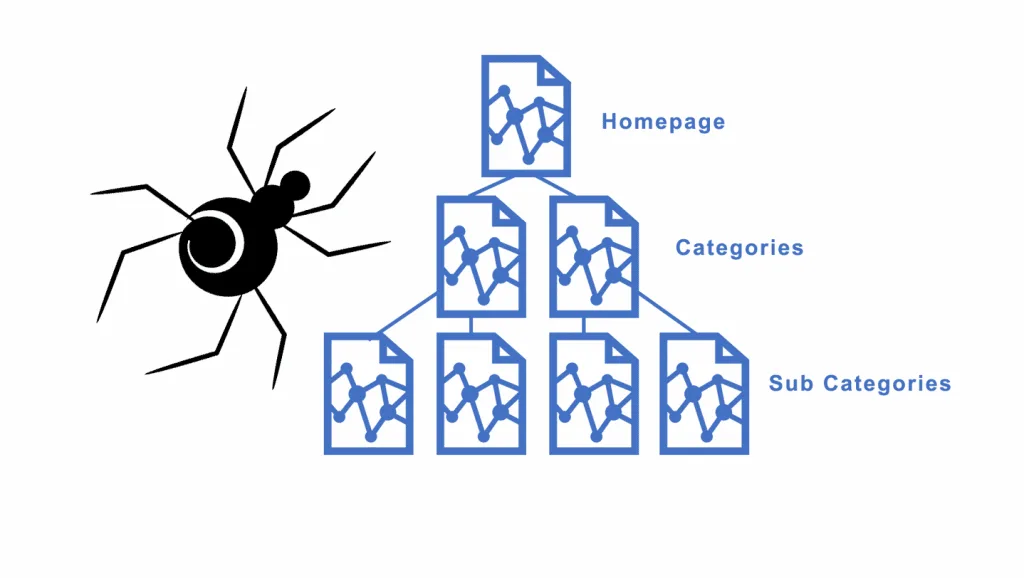
Google crawling is the process of discovering new or updated web pages. Google discovers new pages by following links, reading sitemaps, and using many other methods. Google crawls the web, searches for new pages, and then indexes them (if necessary). The Google crawler program (more commonly referred to simply as the Googlebot) is automated software that scans pages on the internet and indexes them.

Below are factors that directly affect the efficiency of website crawling by Google:

To make it easier for Google to access website sections, it is recommended to:

Googlebot crawling algorithm operation

SEO Service / SEO Optimization

SEO website optimization is the process and set of activities that make a website more friendly to search engines like Google. An SEO specialist is the job title for a person who performs this optimization.

Frequently Asked Questions About How Google Search Works

How long does it take for Google to find and index a new website?

For a new site without backlinks, indexing can take anywhere from a few days to several weeks. This process can be accelerated by submitting a sitemap in Google Search Console and using the IndexNow protocol.

What can prevent Googlebot from accessing website content?

Access can be blocked by incorrect directives in the robots.txt file, noindex meta tags, slow server response times, or excessive content generation via complex client-side JavaScript code.

How does Google determine which page is most relevant to a user search query?

The algorithm matches the user search intent with the semantic content of the page, technical performance, mobile ergonomics, and overall website authority.

Want to make sure Google is correctly indexing your website content?

Book a 15-minute strategy call or request our independent SEO audit.

Request SEO Audit → Next Lesson: On-Page SEO →
Fixed budget. No hidden fees or forced services.
Useful insight?

Share this article with colleagues or partners

Help others discover practical digital marketing, SEO, and AI automation strategies.

LinkedIn Facebook X WhatsApp
Aigars Armanovs

Aigars Armanovs

SEO & GEO Architect & AI Lead | Founder of MMN

Founder of MarketMeNow, SEO & GEO Architect, and AI Automation Strategist with 15+ years of hands-on experience scaling e-commerce and B2B companies.

All author articles • SEO & GEO Services • LinkedIn Profile
← Previous Article

Advertising Trend - User Generated Content (UGC)

Next Article →

SEO Course #2: How to improve Google search performance on your website

Back to All Articles

Ready to discuss your digital business growth?

Book a 30-minute strategy call. Together we will review your digital marketing, SEO, and AI automation potential.

Book a Free Call
Scroll to Top
Call
Book 15-min Call Reply within 2h